

For Little Painters
If your child loves color and movement, these tools are the perfect place to begin. Little painters need materials that feel exciting right away, and these are the ones I’ve seen spark joy and boost confidence.
Affiliate Note: Some links are affiliate links, which means I may earn a small commission at no extra cost to you. I only recommend materials I truly use and love.
-
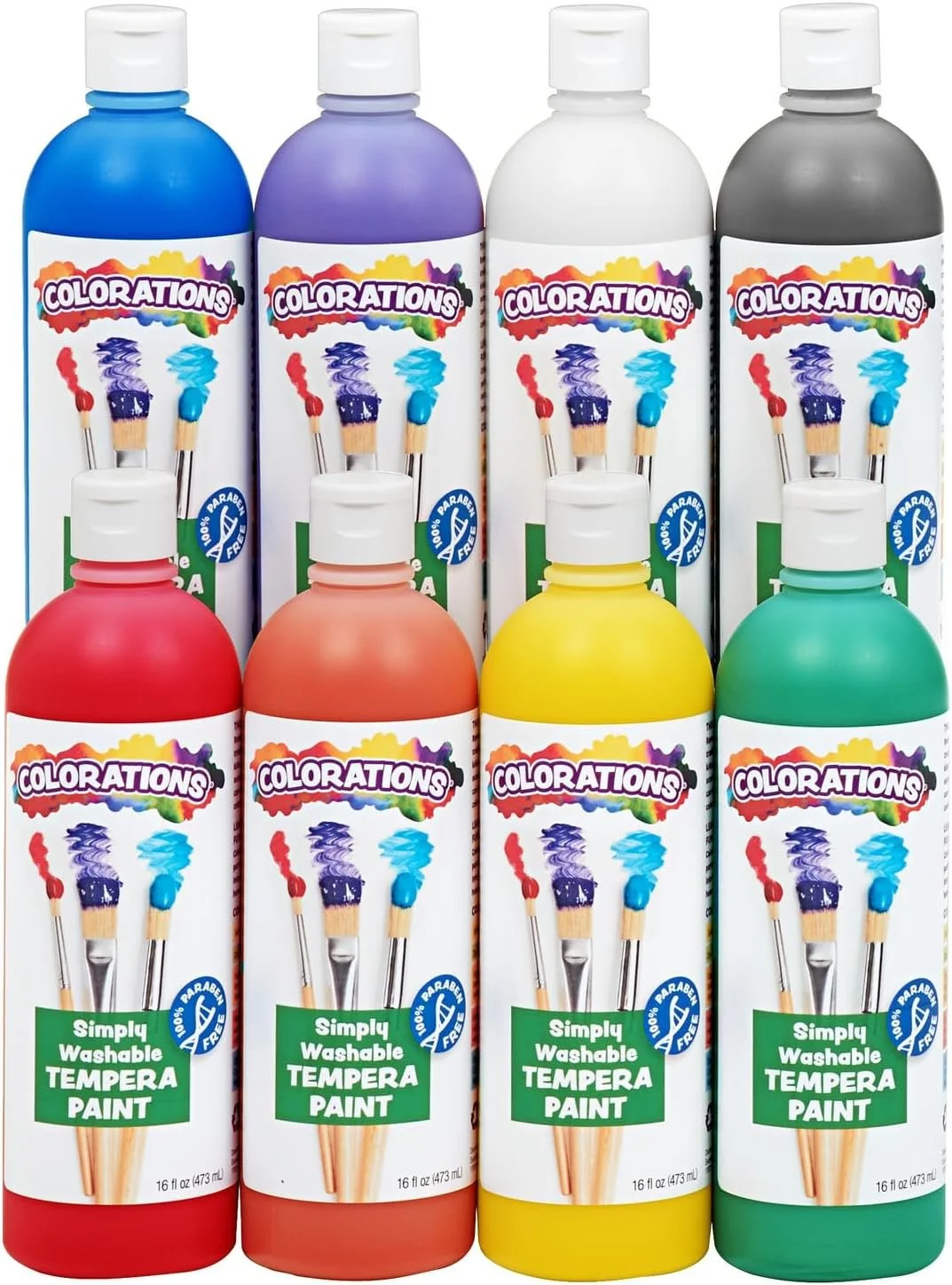
This is the brand I use in my classrooms (I buy the gallon size). It’s non-toxic, paraben-free, washable, and totally kid-friendly. I like to add a little extra white to each tray — it makes the colors even more vibrant.
-
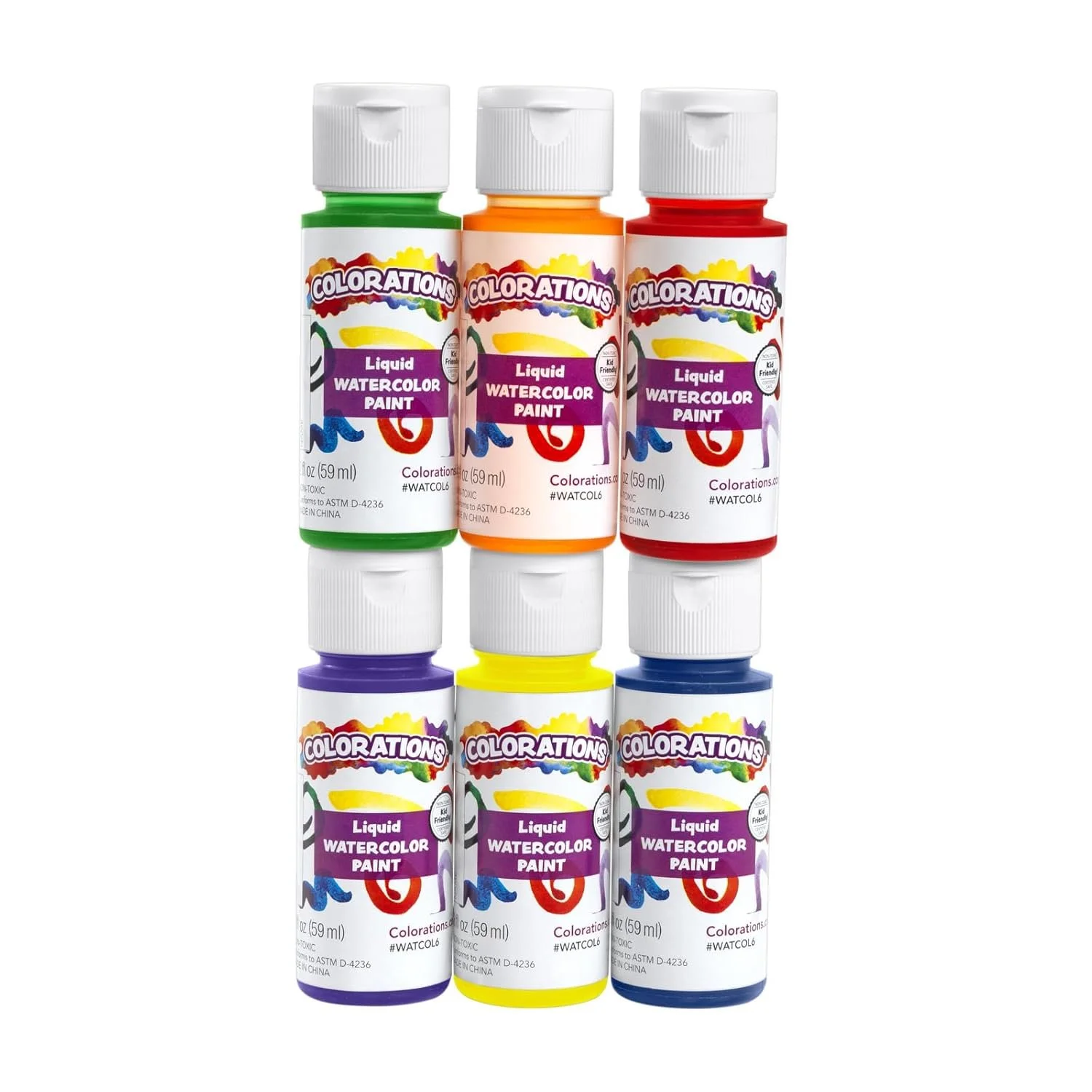
I use liquid watercolors in my classrooms instead of traditional watercolor trays. You only need a few drops in a bowl of water. I put out one color family per project (like blue, purple and pink) so the colors don’t turn into a muddy mess.
-
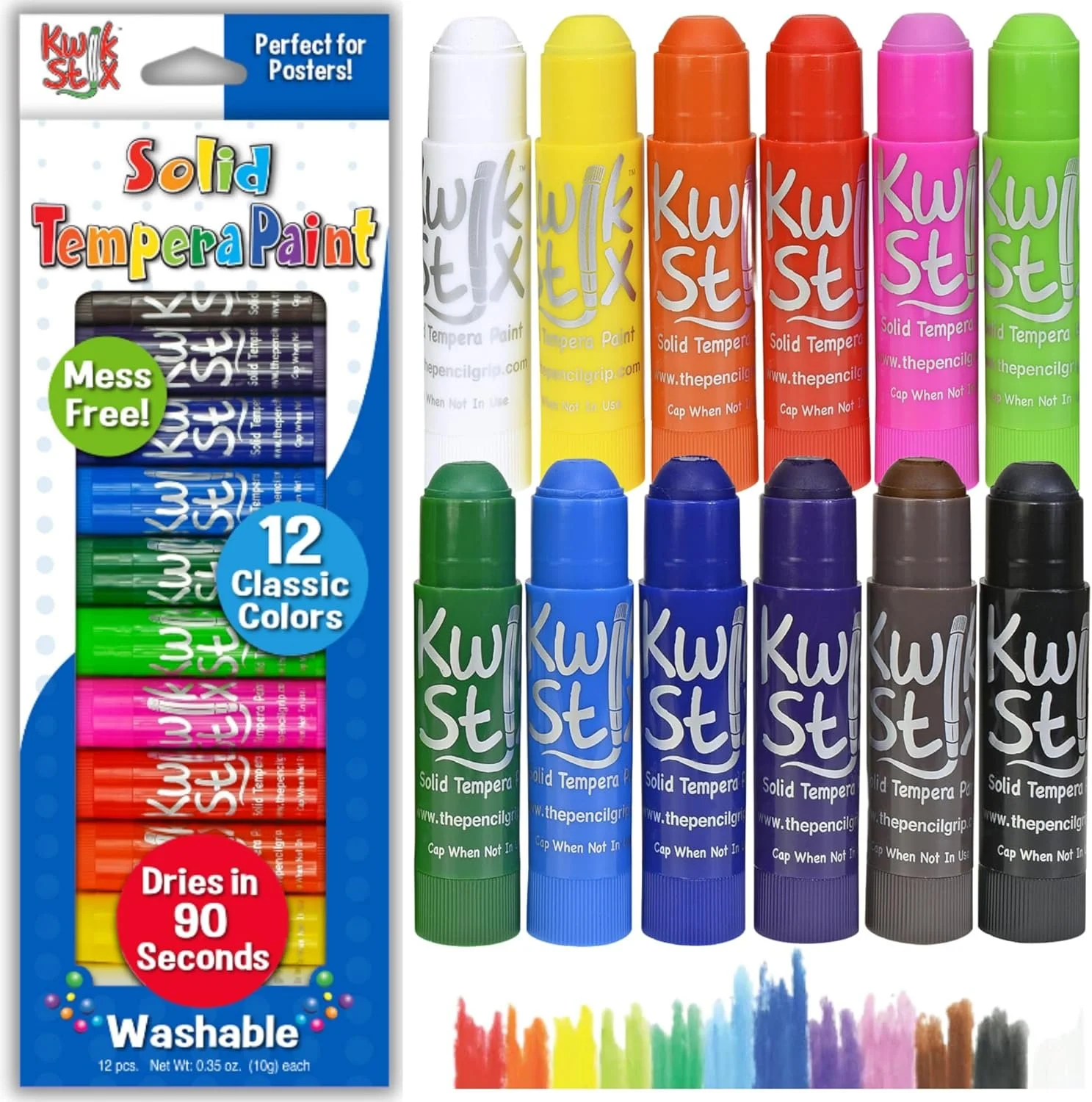
These are paint sticks, but you use them like crayons. They’re my absolute favorite art tool. The colors are incredibly vibrant, they’re non-toxic, and you don’t need any water. This is the brand I always buy. Get big paper!
-
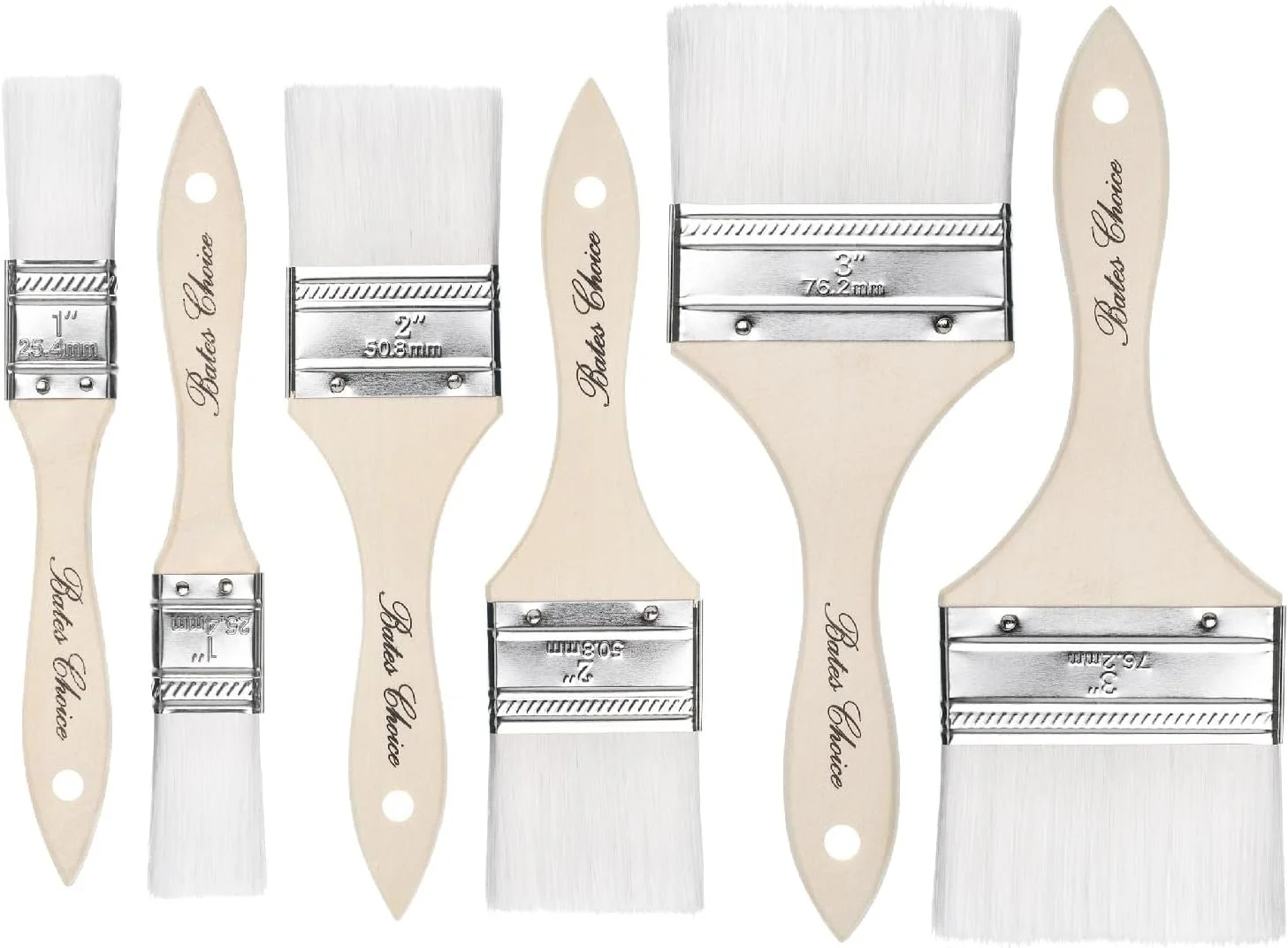
Kids get so excited about big paintbrushes. They can cover more paper at once, and it just feels fun and powerful to use.
-
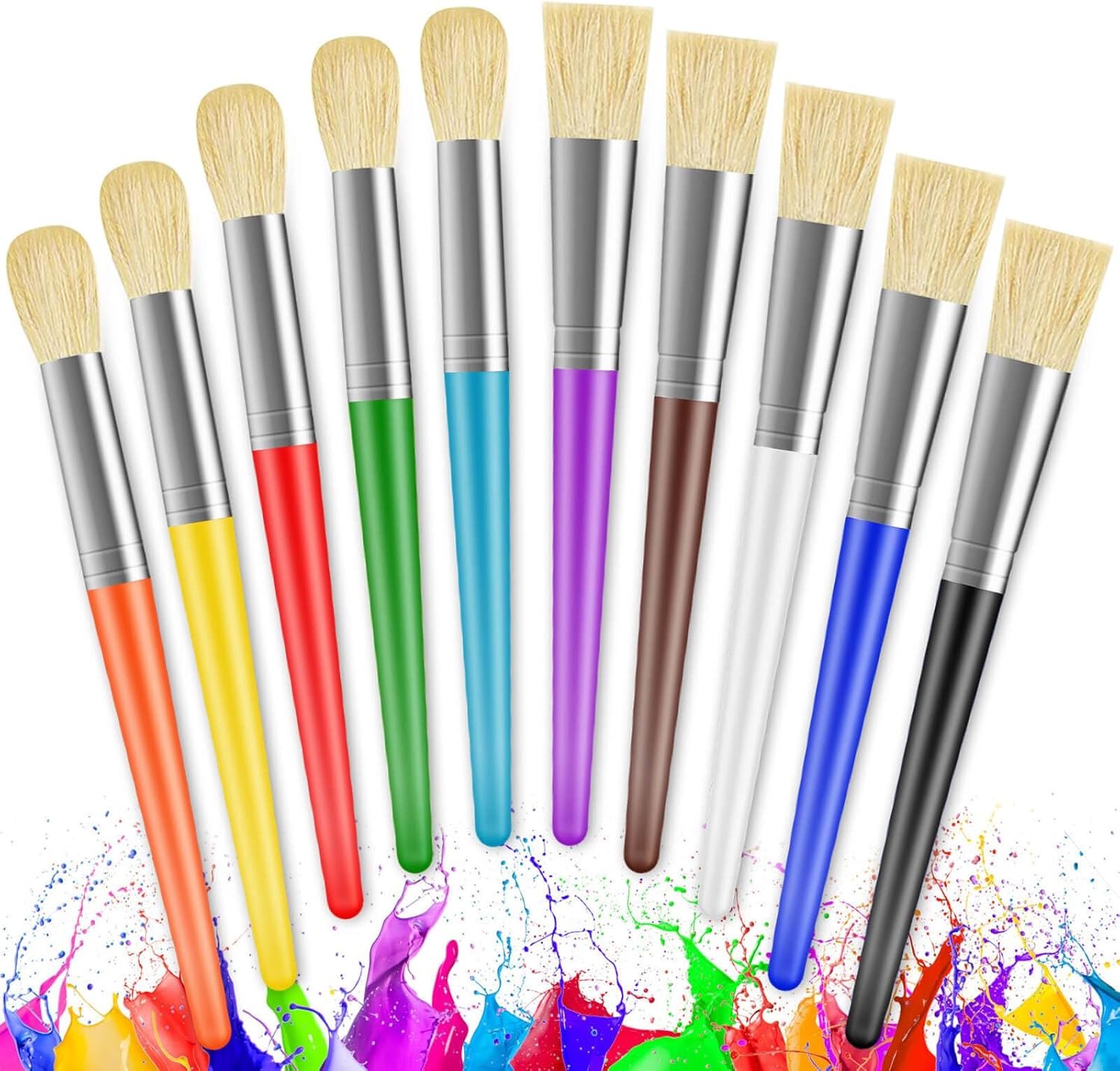
Any brand will do, but I like this set because it includes a mix of brush shapes.
-
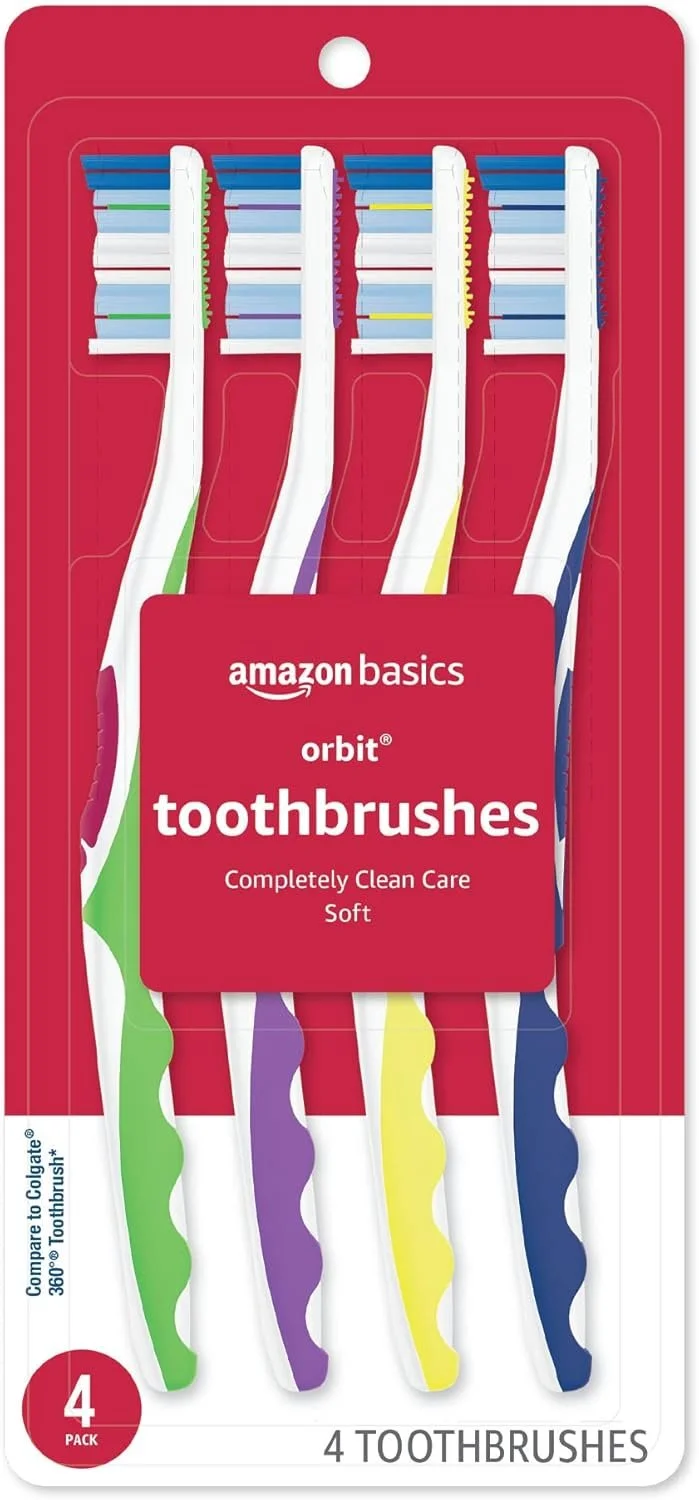
After they finish laughing when you bring these out, they’ll start using them happily to paint. They make great texture tools and kids love the novelty.
-
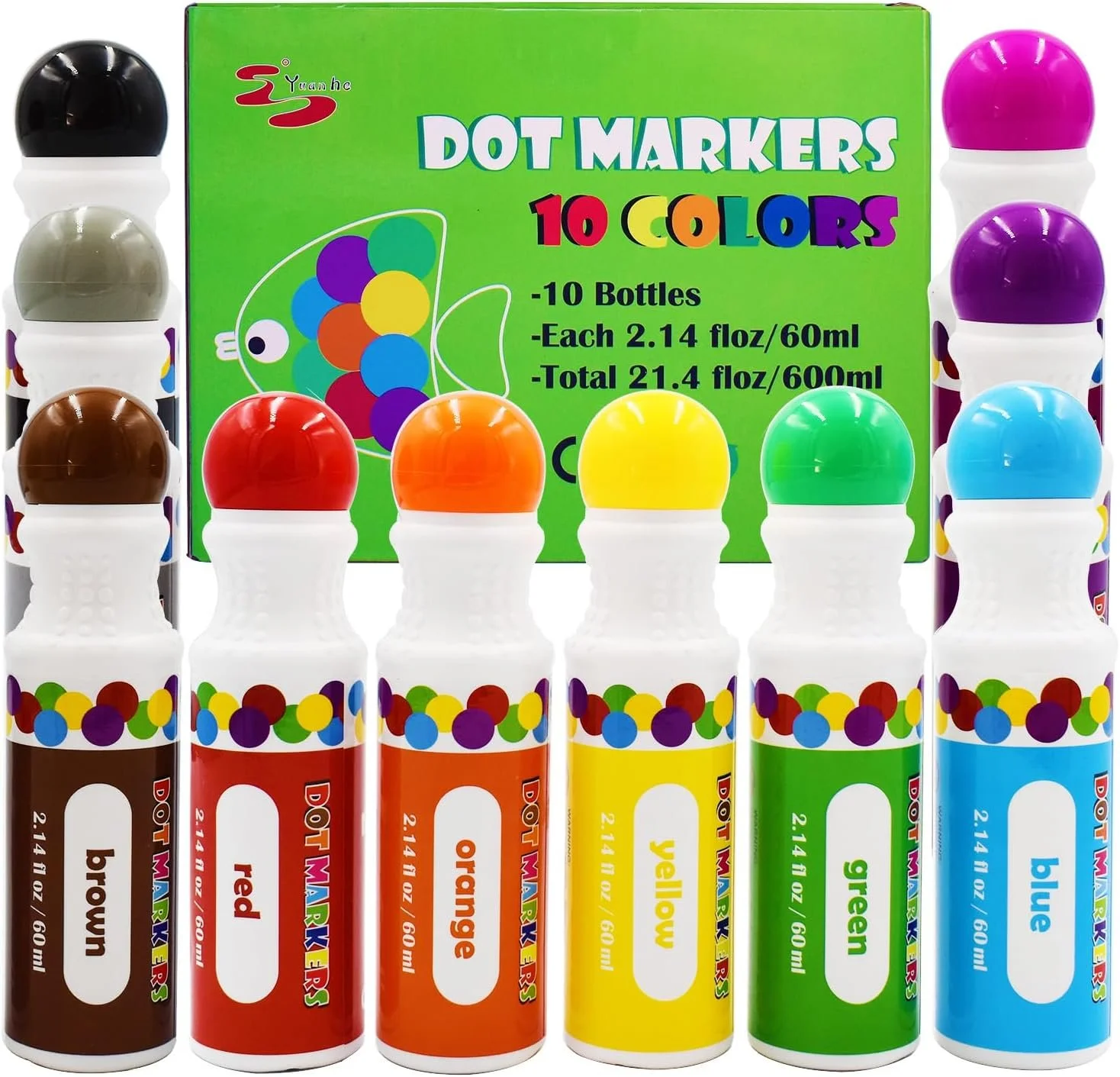
Dot sticks are great for kids who press too hard with traditional brushes. They can slide them across the page like a paintbrush or bang them on paper. I’ve even used bingo pens for this!
-
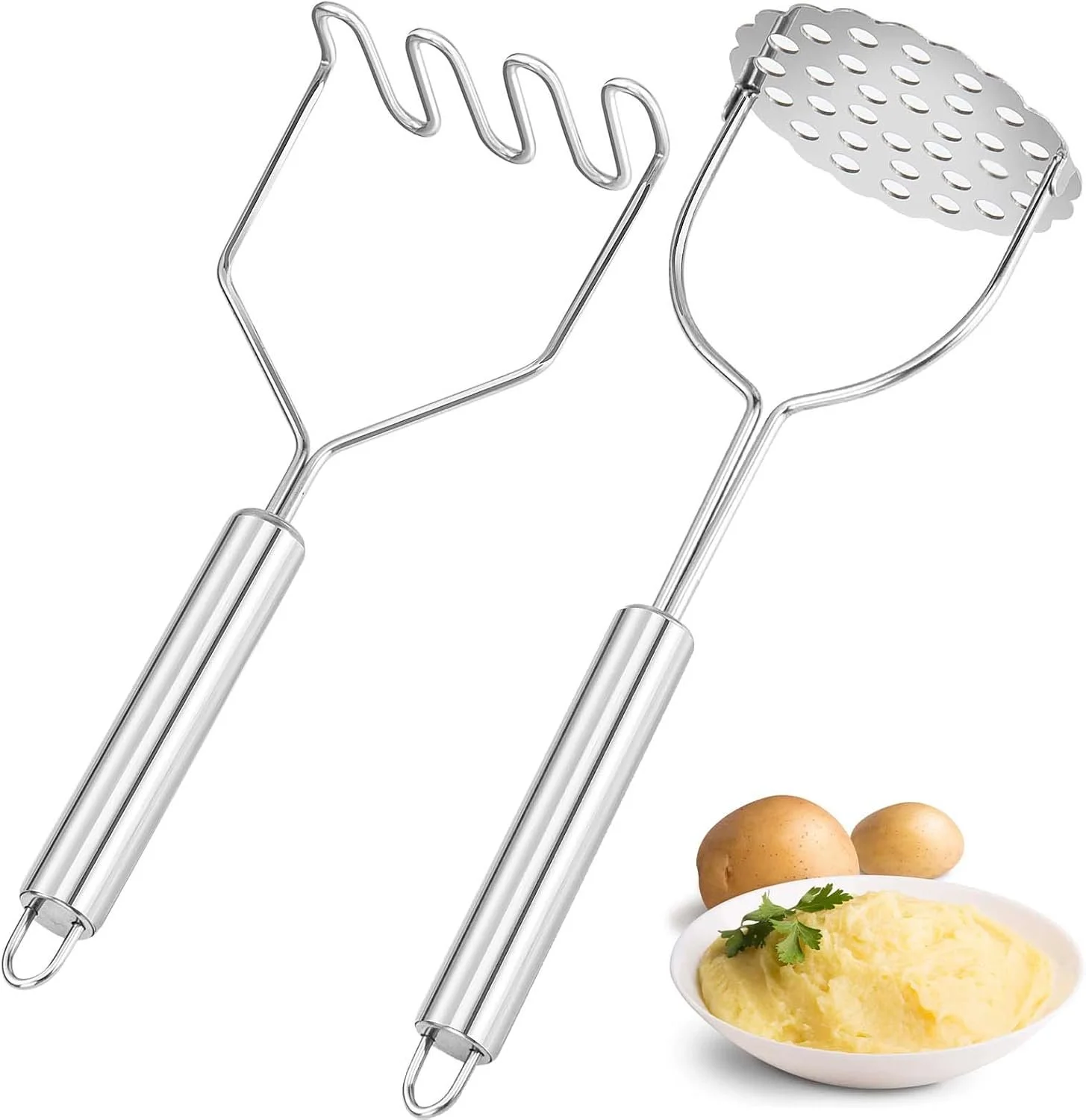
Metal tools from the kitchen are amazing for making prints with paint — and they’re incredibly durable. Little ones always get a big laugh when I bring them out.
-
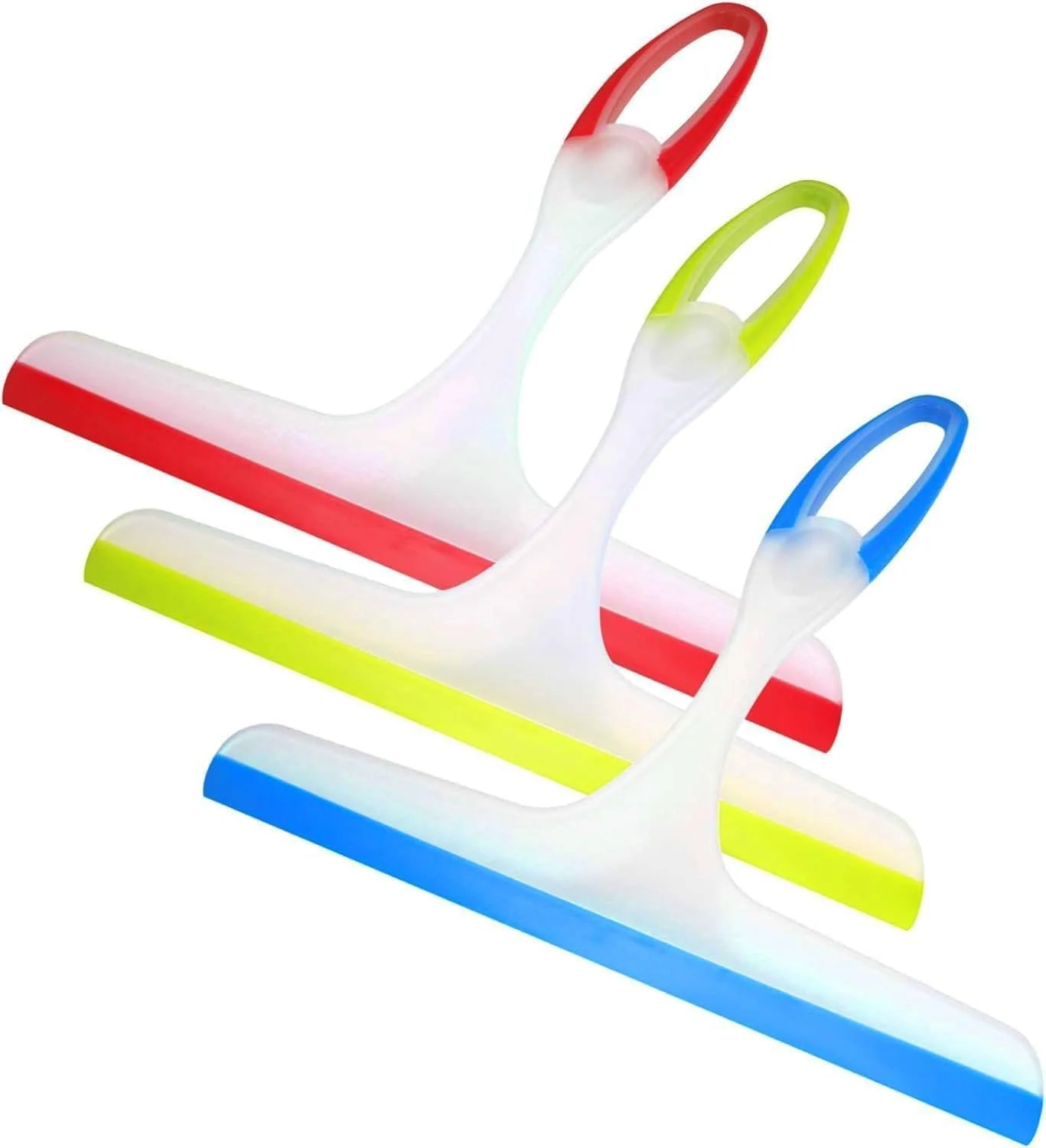
Show them how to drag the paint down the page to make big, bold strokes. They work best on thick paper or cardboard.
-
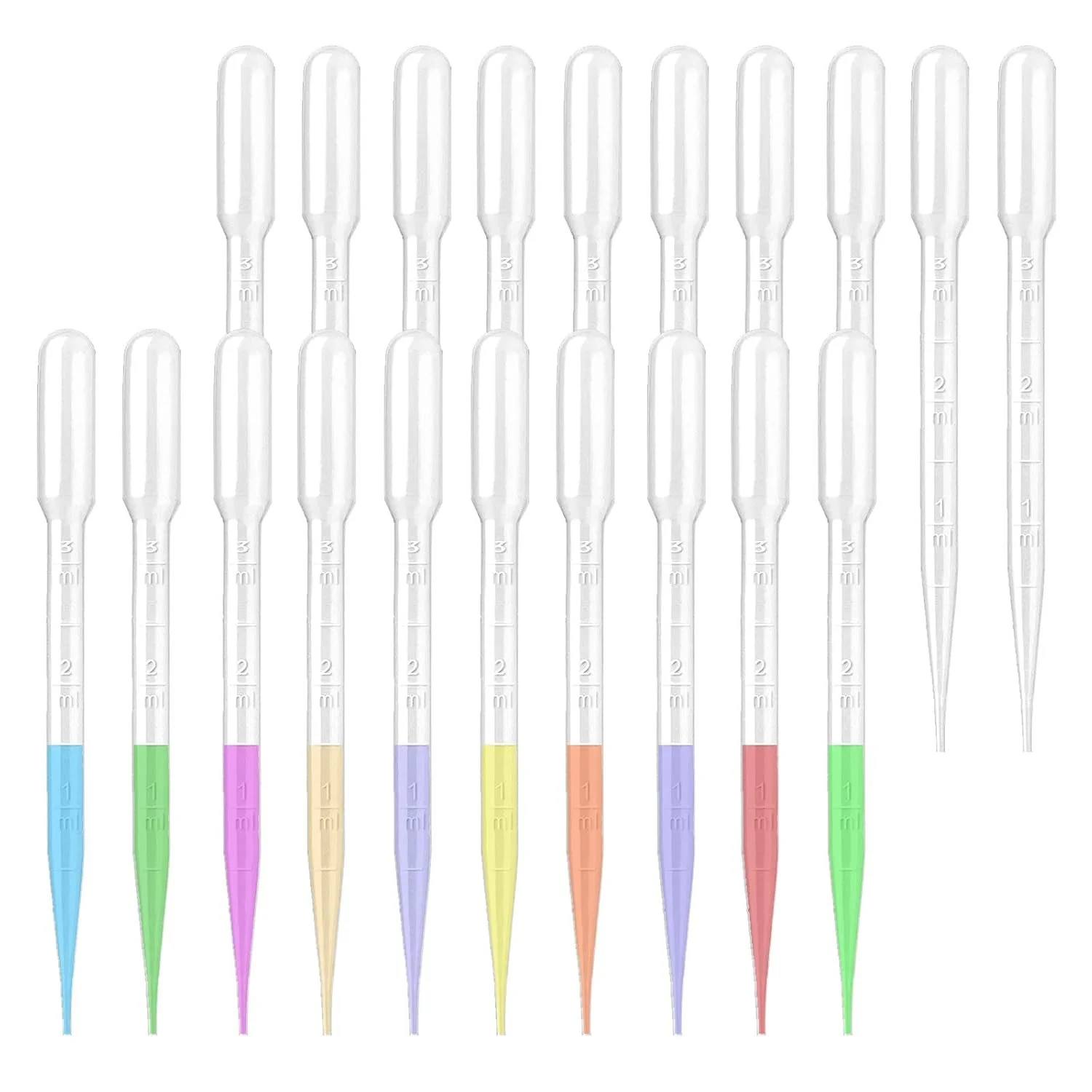
I often use these plastic droppers when kids paint with liquid watercolors. They’re a great way to strengthen pincer fingers (an occupational-therapy bonus!). Kids love watching the paint drip down the page.
-
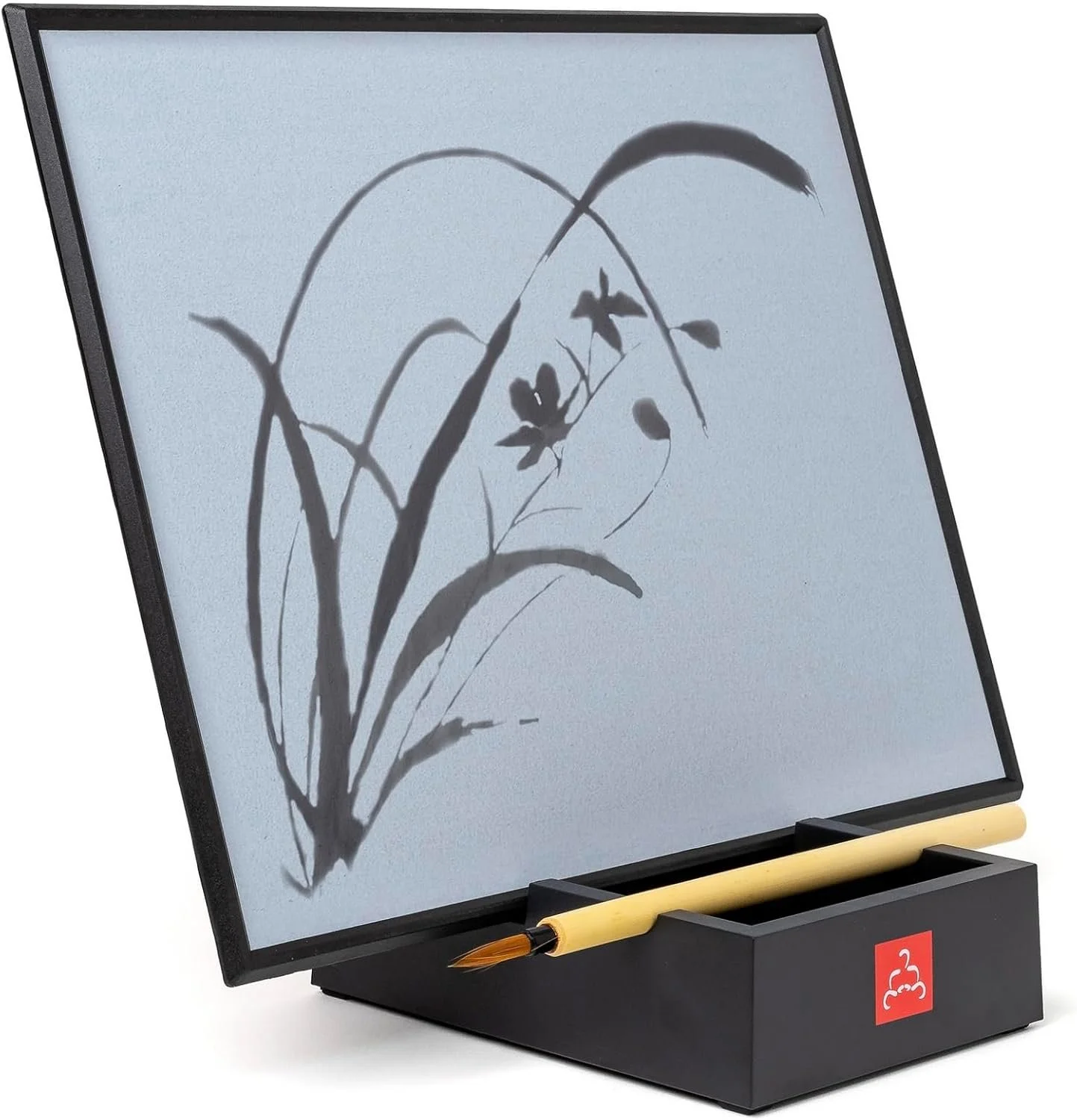
Just water and a brush. The Buddha Board is a wonderful way for kids to loosen up with their lines, let go of mistakes, and watch their marks fade slowly away. Paint with water, and then watch it disappear.
-
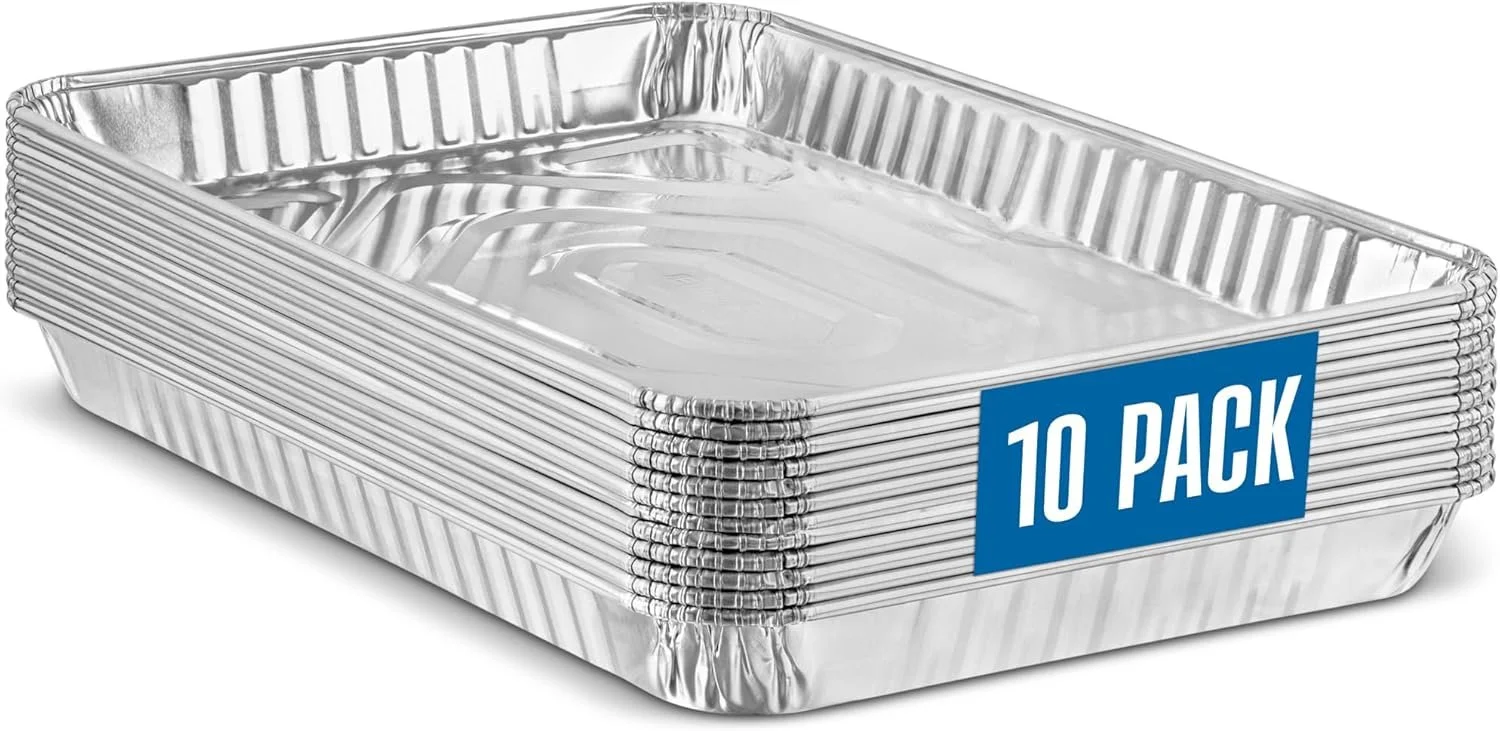
Instead of palettes, I use big trays. Kids love swirling their brushes around in the extra space. It’s better to give them more room and fewer colors than tiny palettes with too many choices.
-
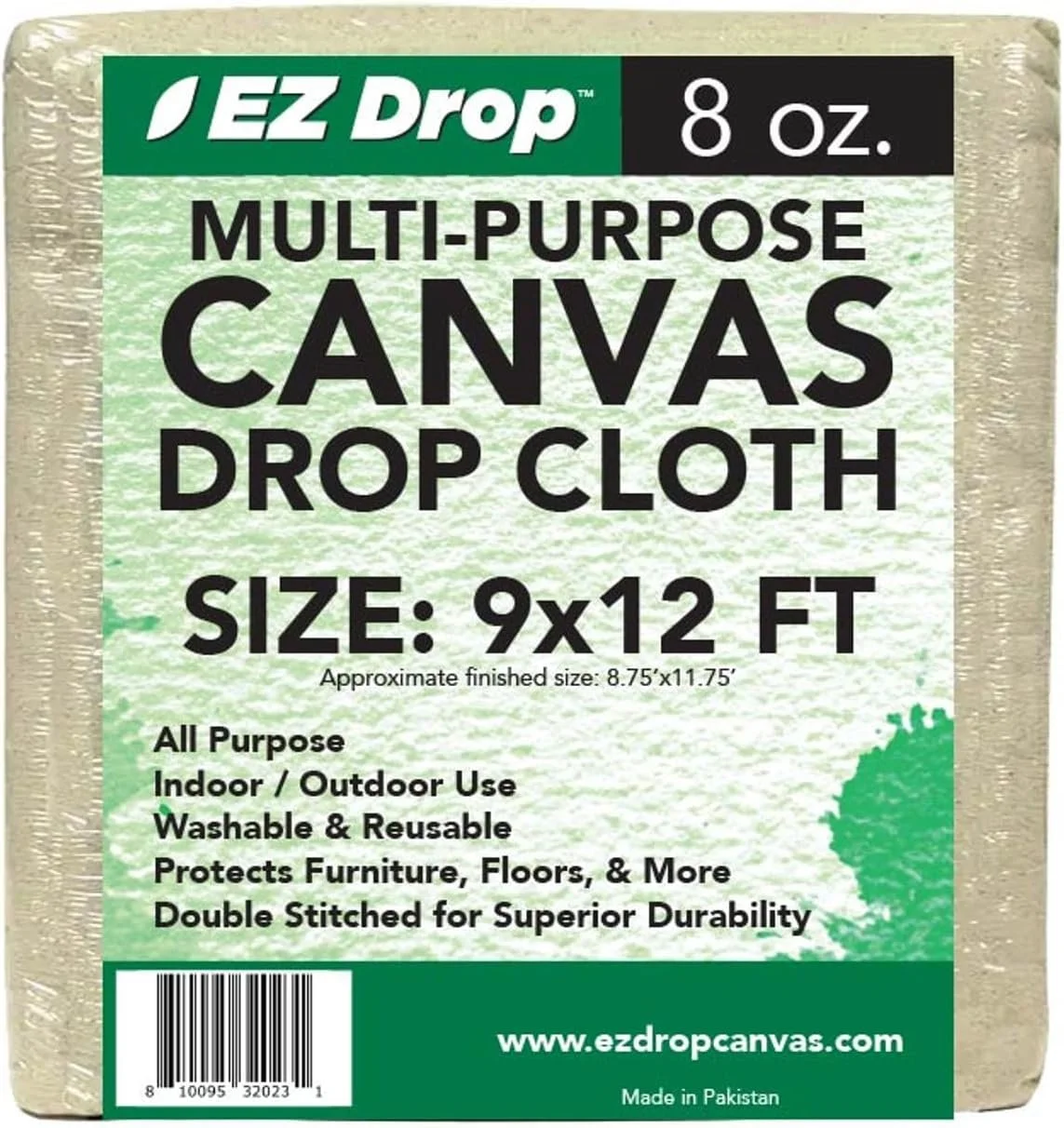
Whenever my kids paint, I spread a huge drop cloth on the floor and that’s where they work. I don’t wash it, and I don’t worry about the floors — nothing gets through these.
-
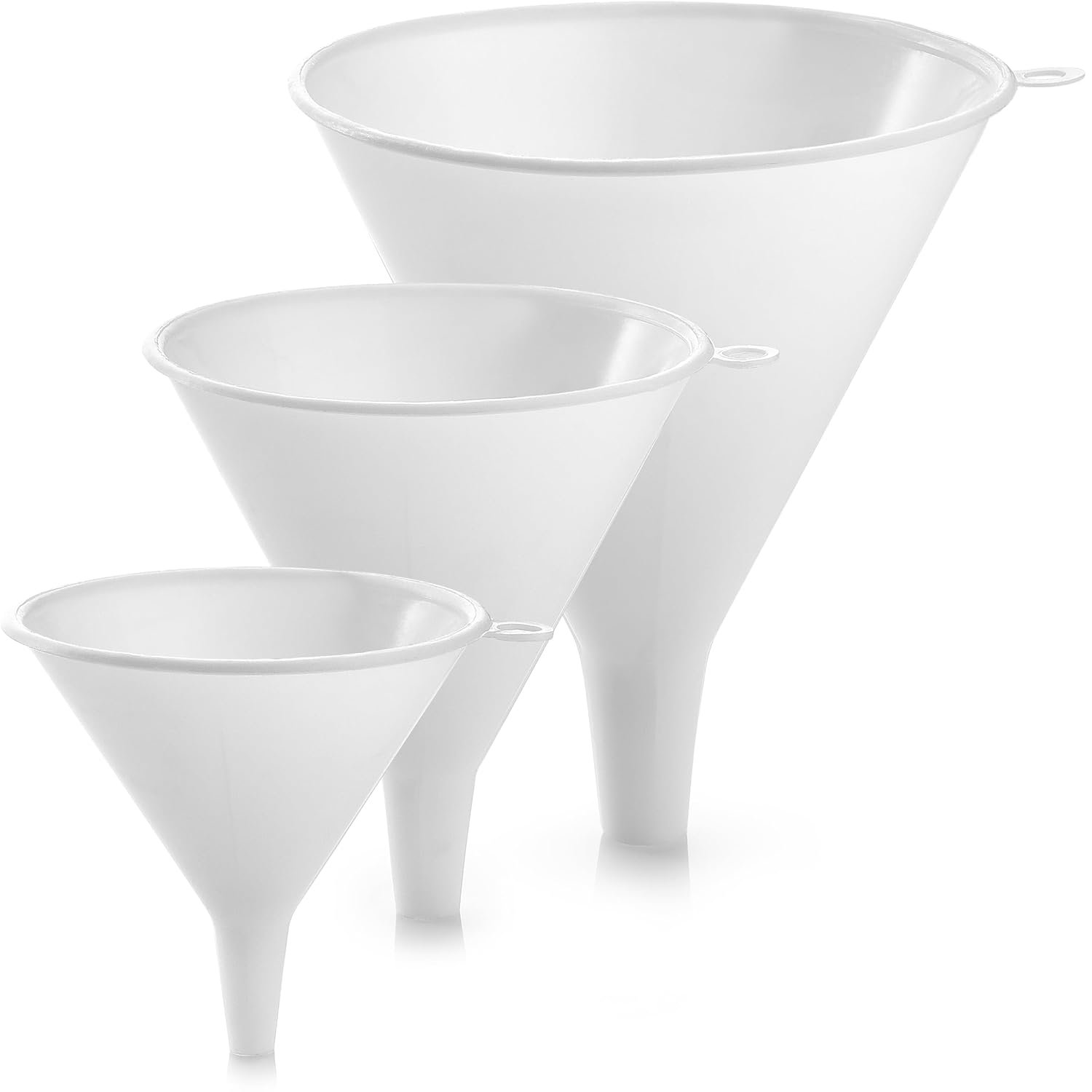
Funnels are another printmaking tool I love to have out during painting projects. Kids love pressing them onto their paper to make perfect circles.
-
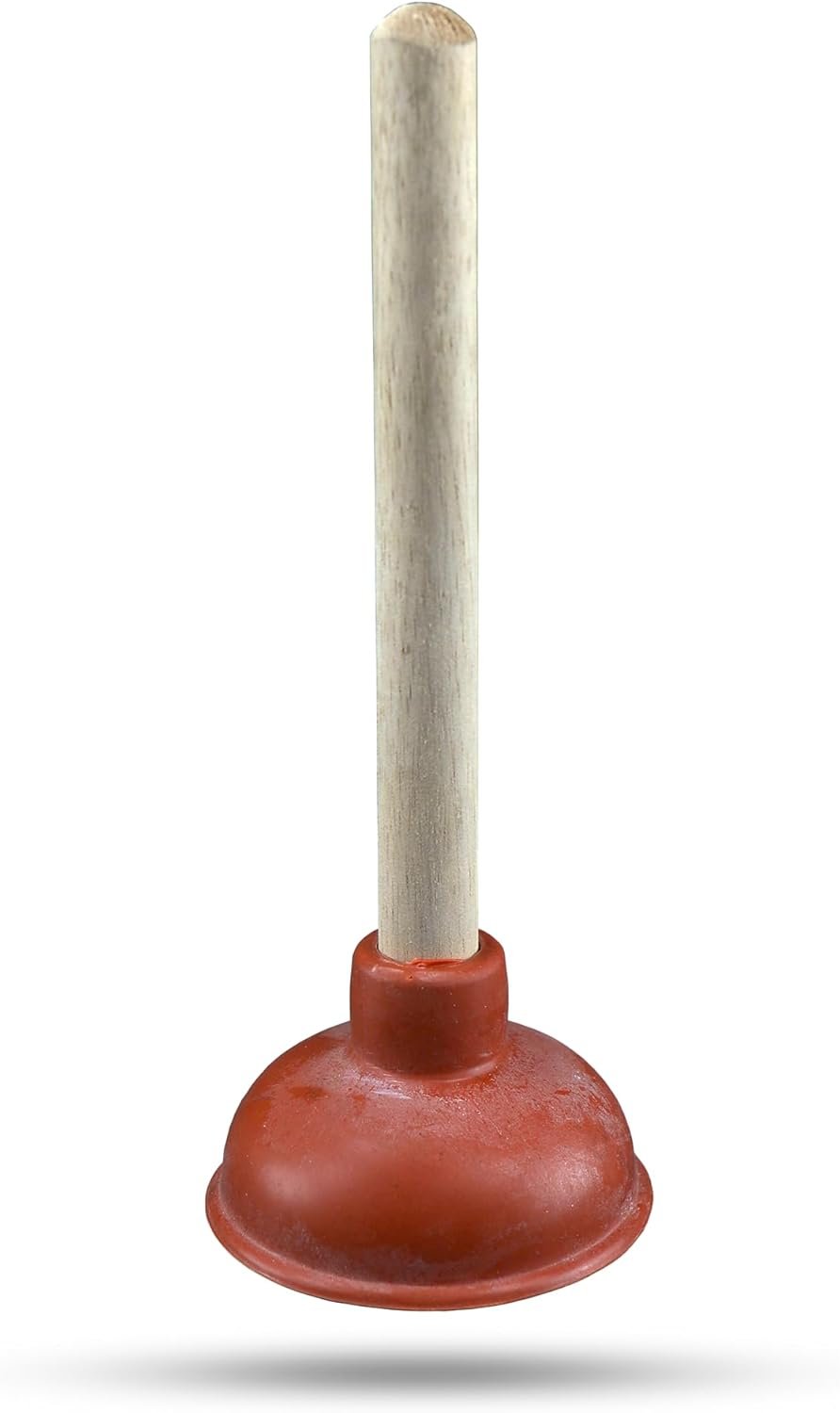
No child can resist the fun and excitement of “Bathroom Art.” We use these small plungers to stamp circles of paint onto paper, and the kids cannot stop laughing. Use large trays as the palette.
-
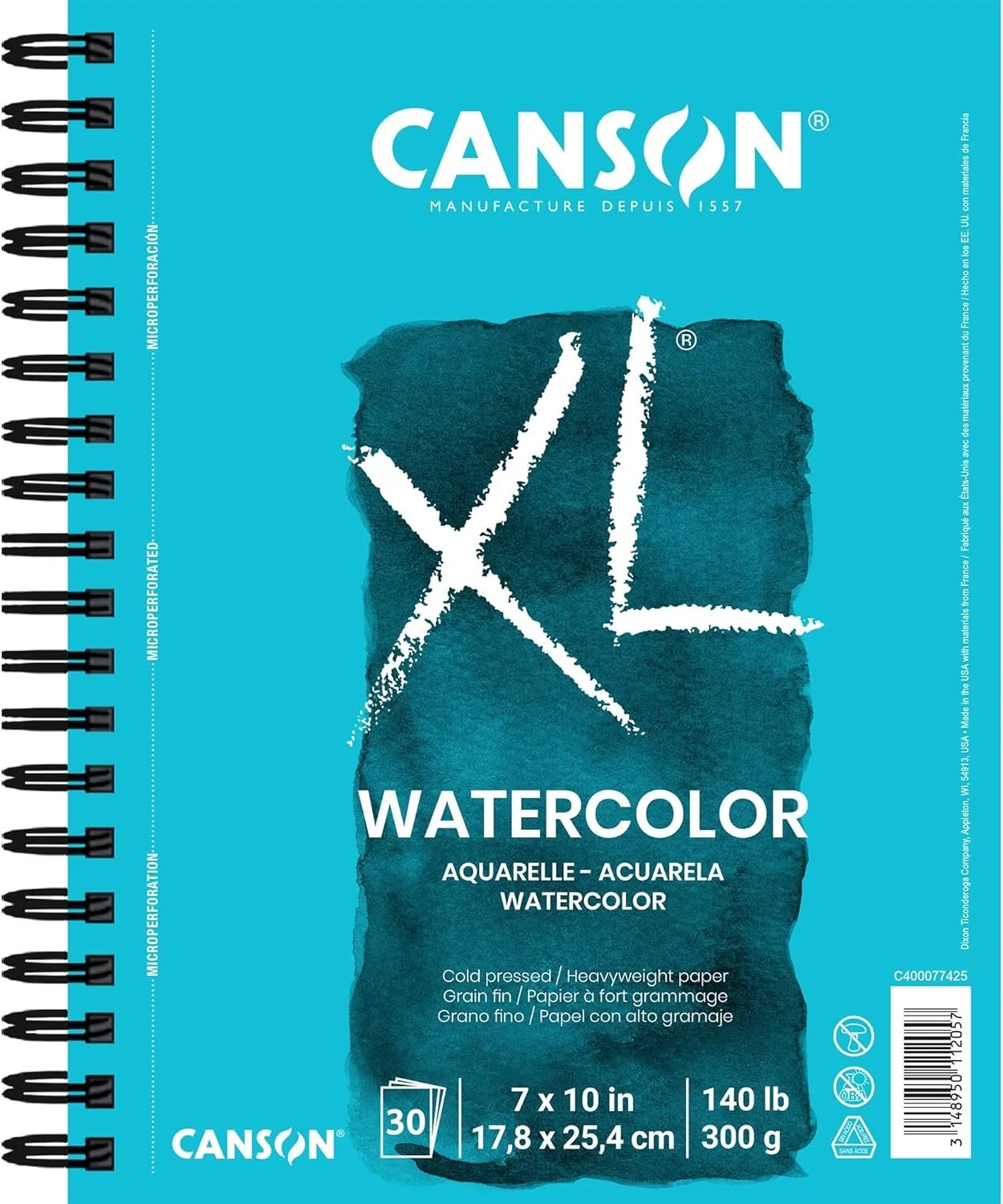
If you’re using watercolor paint with your child, you must use watercolor paper. Regular paper can’t hold the paint the way it’s meant to, and that’s often why kids get frustrated — they think they’re “bad at art,” but really they just have the wrong tool. I like this brand in any size.
-
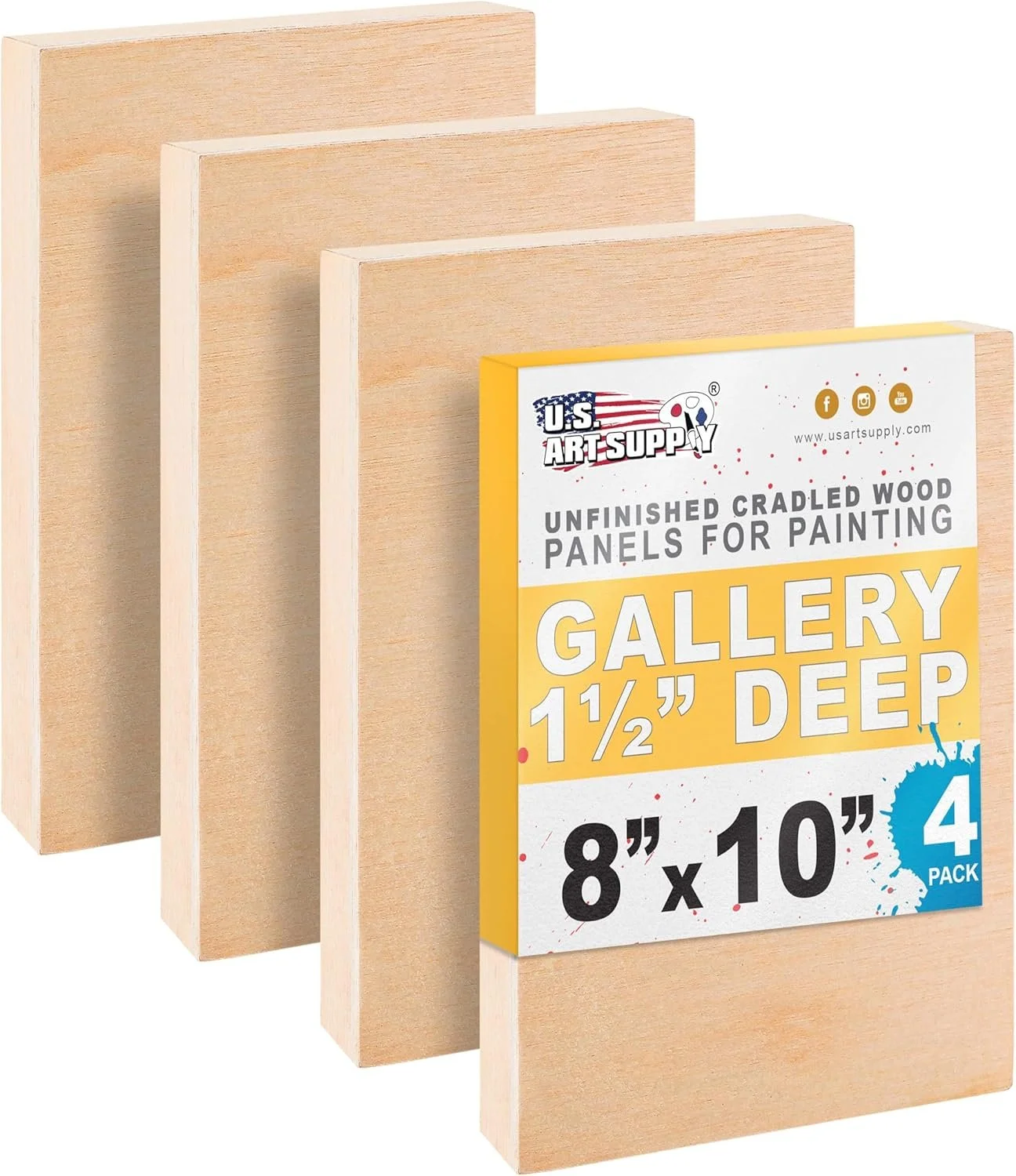
When my kids painted gifts for grandparents, I preferred wood panels over canvas. They’re smooth, ready to hang, and can handle any materials — paint, collage, glue, everything. And when they’re finished, they look like real, polished artwork, not “kid art.”
-
Heavyweight tag board, 12×18, 100 sheets. Perfect for prolific painters at home or in classrooms. We use these all the time because they’re sturdy, generous in size, and let kids go big with their ideas.
Final notes: Most of the time, I have kids paint on cardboard. The next time you get Amazon boxes, cut them apart and you’ll have six new painting surfaces. These electric scissors do all the work for me now.
You can also let your child paint finds from a thrift store, like jewelry boxes, wood signs or small chairs.